The Euregio Biodiversity Research Conference is an international event dedicated to research on Alpine biodiversity and ecosystems, organized within the framework of cross-border collaboration of the Euregio Tyrol-South Tyrol-Trentino.
The 2026 edition dives into the complexity of Alpine biodiversity through a multi-scale and cross-disciplinary lens, spanning diverse taxonomic groups. The main conference themes will explore the synergy between innovative Big Data management, collaborative research, and the study of mountain biodiversity hotspots. By addressing biodiversity patterns from molecular- to ecosystem-level we aim to pioneer innovative solutions for the conservation of mountain environments.
The aim of the conference is to spotlight the contributions of early-career researchers and emphasize their crucial role in the future of Alpine biodiversity research.
About the conference
Themes
The conference program will be structured around four scientific topics:
This session showcases the transition from descriptive field biology to automated, real-time ecosystem intelligence. By integrating advanced monitoring tools—including remote sensing, robotics, eDNA, isotopes, bioacustics, and camera trapping— this session enables an unprecedented overview of high-resolution data collection. Furthermore, we will address the challenges of the "Big Data" era, focusing on the application of Artificial Intelligence in ecological modelling and the implementation of FAIR data principles (Findable, Accessible, Interoperable, Reusable) in collaborative projects.
This session focuses on life forms and the ecological complexities occurring in keystone extreme environments, interpreted in a broad sense (from glaciers to wetlands, from mountain ridges to subterranean caves). These localized habitats are defined by species richness and endemism, which provide disproportionately high contributions to global ecosystem functional processes. The focus will be on the occurrence and vulnerability of biodiversity hotspots to global change, emphasizing their role as early-warning systems for climate-driven changes.
This session explores the synergy between scientific research and community engagement, underlining how local communities' knowledge and collaborative approaches inform environmental stewardship. The session will examine the role of citizen science and place-based collaborative projects in biodiversity assessment, while analyzing the deep interplay between landscape history and contemporary management practices, to ultimately produce ethically grounded, scientifically rigorous, and socially impactful participatory research.
This session aims to accommodate general contributions on biodiversity patterns at multiple organizational levels, with a focus on conservation relevance.
The session includes two specific topics, as follows:
i. Biodiversity conservation and nature restoration under global changes
As traditional conservation strategies face the unprecedented speed of the Anthropocene, this session examines novel studies applied to Nature Restoration.
The discussion will center on the effects of climate change, environmental alterations and anthropogenic impacts on novel ecosystems, and thus enabling the future policy for biological diversity that has no historical analog.
ii. Integrated Ecosystem Dynamics, synergies among microbial networks, trophic complexity and global health resilience
This topic addresses the relevance of multidisciplinary, holistic studies to examine the systemic connectivity between microscopic (microbiomes) and the macro-ecological biodiversity, intended as a dynamic, multi-scale system where trophic complexity and non-linear interaction networks could determine ecosystem stability and resistance.
Discover the keynote speakers
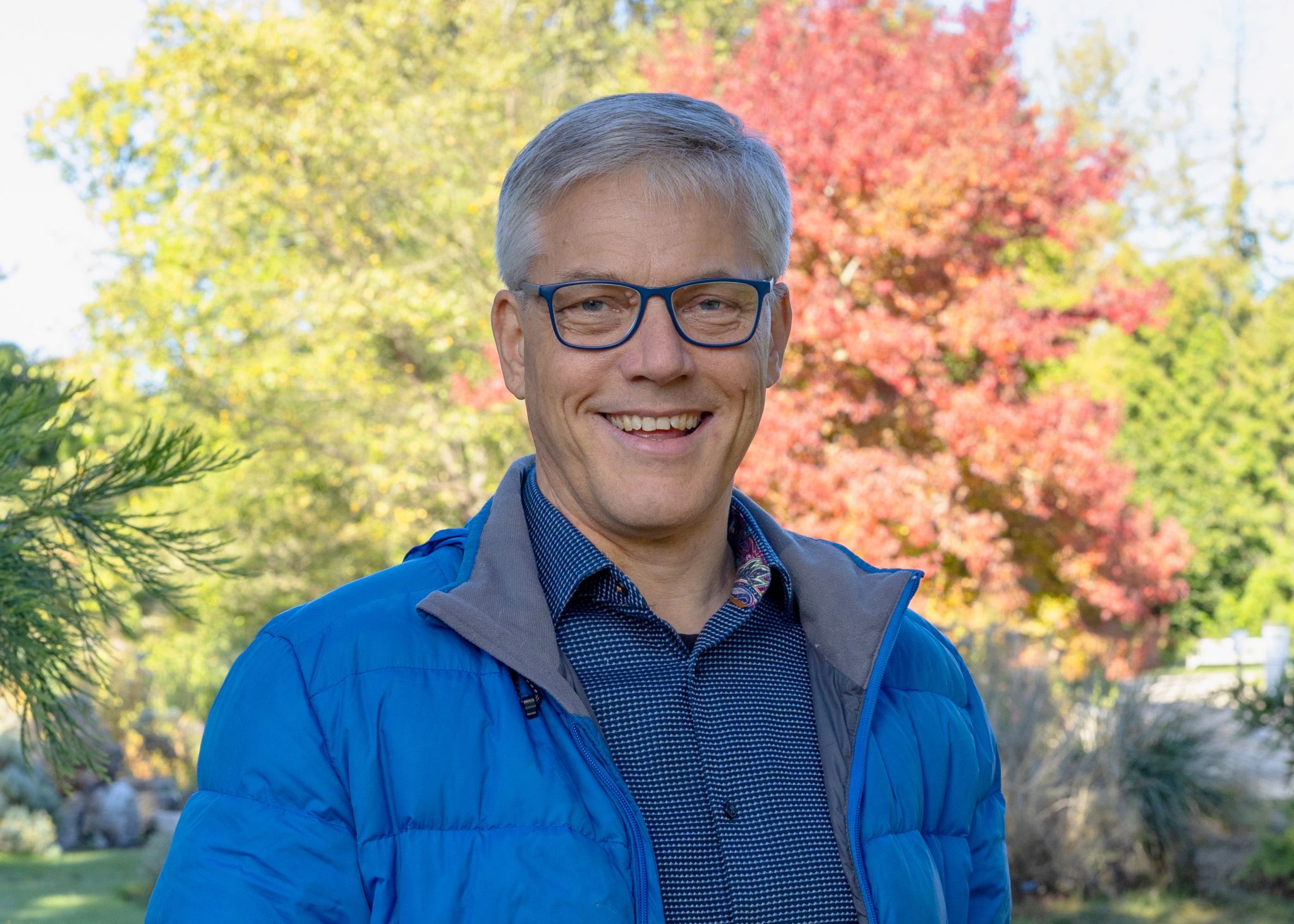
David Coomes is Professor of Forest Ecology and Conservation at the University of Cambridge, where he co-directs the Centre for Landscape Regeneration and the Centre for Earth Observation. His research leverages emerging technologies, including airborne laser scanning and satellite imagery, to quantify forest responses to human activities and advance biodiversity conservation in human-dominated landscapes. Driven by an interdisciplinary approach, he focuses on collaborative solutions to address climate change and biodiversity loss, contributing to initiative like the Centre for Global Wood Security.
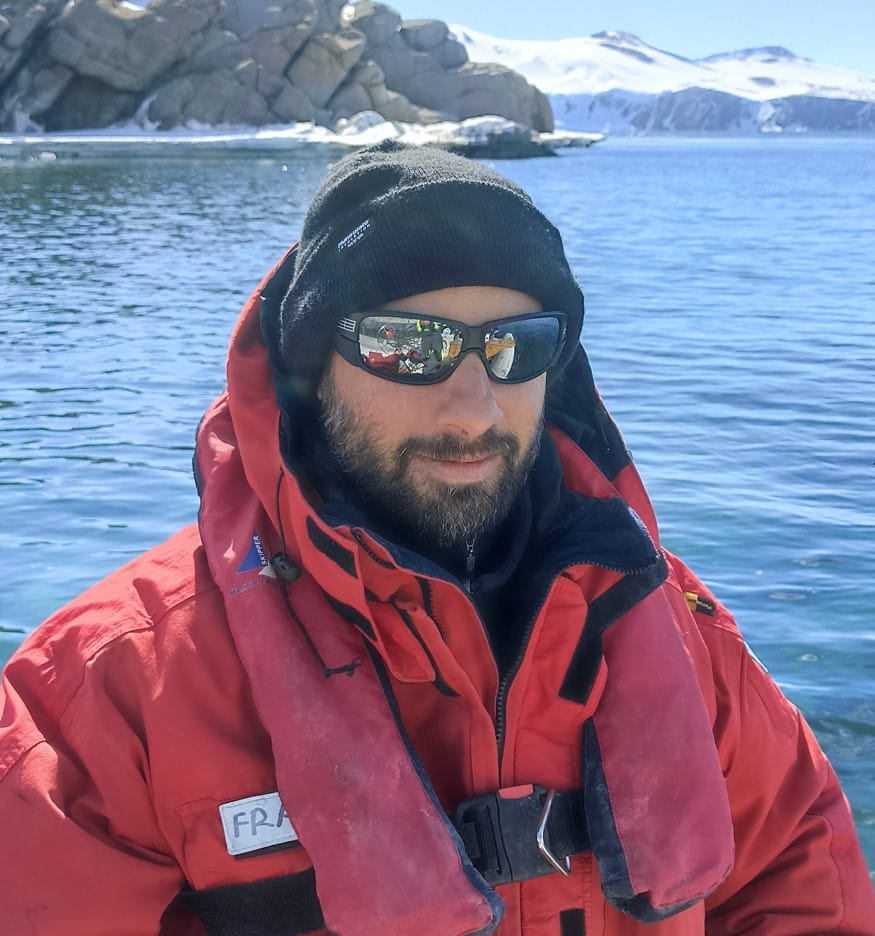
Gentile Francesco Ficetola is Professor of Zoology at the University of Milan. His research integrates landscape ecology, macroecology, evolutionary biology, and environmental DNA to investigate the determinants of biodiversity patterns. He studies the long-term impacts of human activities across spatial scales, ranging from micro-habitats to global systems. A major focus of his work involves mountain ecosystems, specifically examining the biological consequences of climate change and glacier retreat on high-altitude biodiversity.
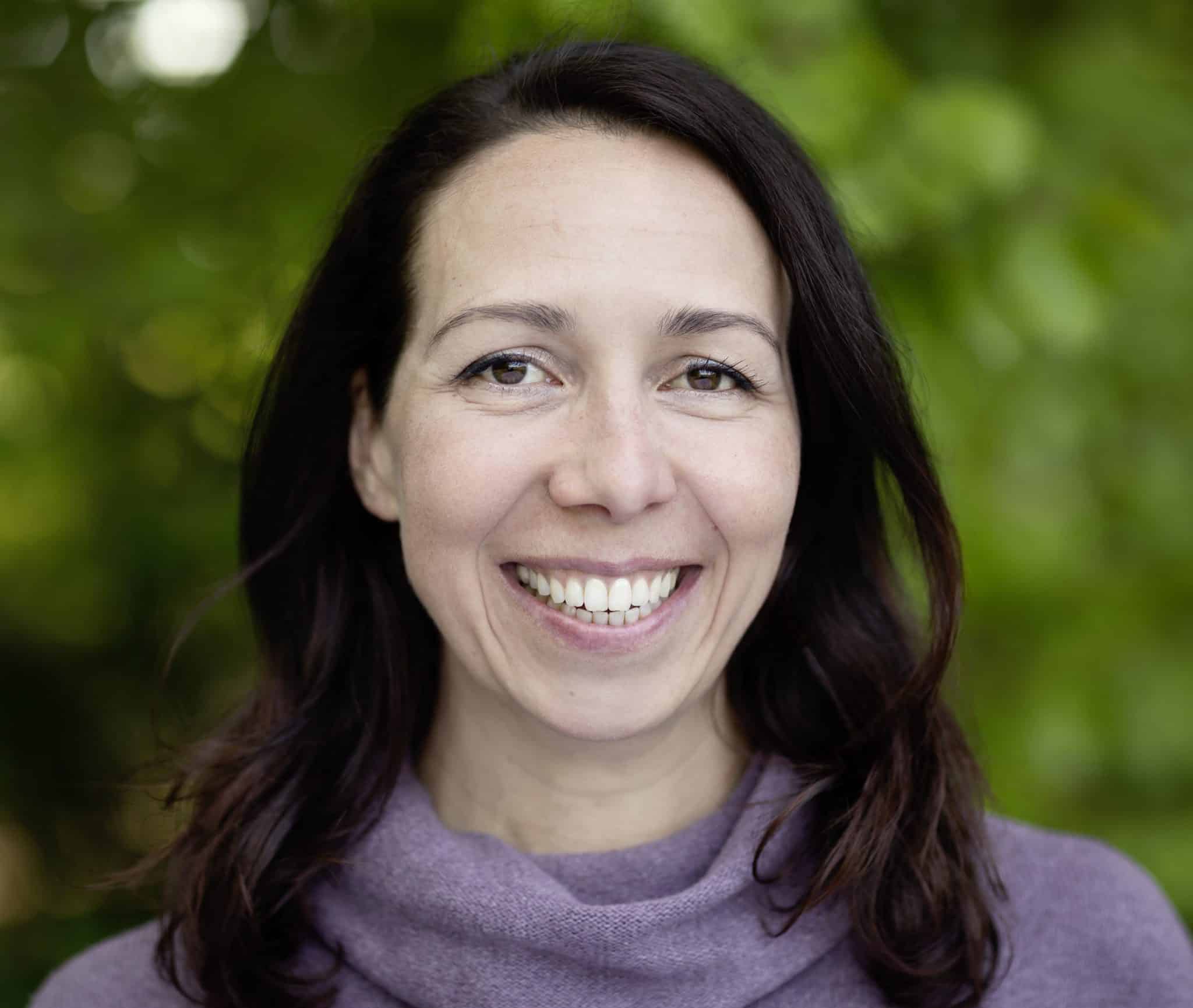
Tanja Straka is Professor of Natural Area and Wildlife Management at Weihenstephan-Triesdorf University of Applied Sciences (HSWT). Holding a PhD in Urban Ecology from the University of Melbourne, she has held research and professorial positions across leading German institutions, including Leibniz-IZW, TU Berlin, and FU Berlin. Her research bridges ecology and social sciences, focusing on human-nature interactions, public perceptions of wildlife, and the key drivers of community support for biodiversity conservation.
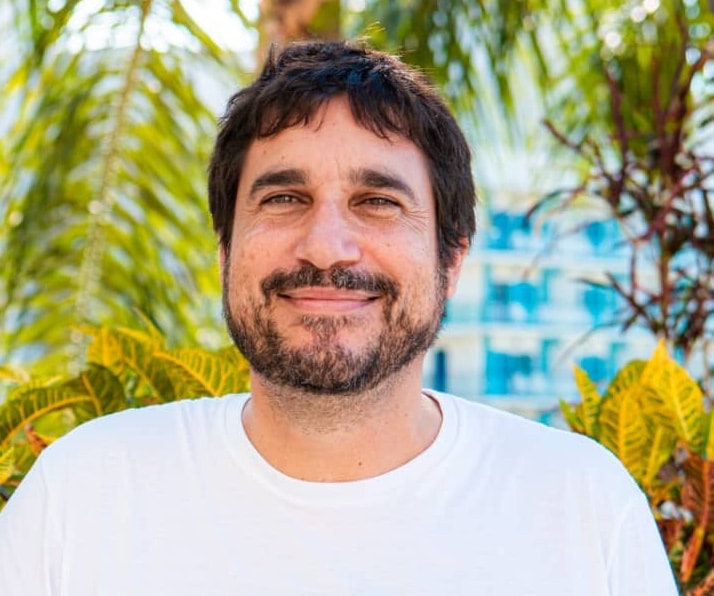
David Roiz is a Distinguished Researcher at the Institute for Game and Wildlife Research (IREC, CSIC–UCLM) and an Associate Researcher at the French National Research Institute for Sustainable Development (IRD). His work centers on the ecology, surveillance, and control of mosquito-borne diseases within a One Health framework, integrating climate, landscape, and human impacts. With two decades of international leadership and over 100 publications, he translates ecological research into innovative strategies for global health and conservation.
Why Participate
- To stay up to date with technologies and integrated approaches for the conservation of Alpine biodiversity.
- To foster the development of cross-border networks and projects among research institutions and local authorities.
- To promote dialogue between science and territorial management, with practical implications for biodiversity governance.
Target Audience
The conference is open not only to the academic community but also to professionals, local administrations, protected area authorities, students, and all interested stakeholders.
Abstract submission
Important dates
- 1 May: Opening call for abstract submission
- 15 June: Deadline for abstract submission
- By July 31: Notification of abstract acceptance
Abstract submission is now closed.
Author guidelines
Oral Presentation
The total time for each presenter is 15 minutes, including a maximum of 12 minutes for the presentation to allow time for discussion.
Abstracts for oral presentations must be max. 200 words long and written in English. There is no character limit for the title, but a meaningful and concise title is highly recommended.
Speed Talk
The total time for each presenter is 3 minutes.
Abstracts for speed talks must be max. 100 words long and written in English. There is no character limit for the title, but a meaningful and concise title is highly recommended.
Submission process
For both formats, abstracts must be submitted electronically using the form below. The abstract text box will appear once the preferred presentation format is selected.
Scientific committee
Francesco Rovero (MUSE – Museo delle Scienze, Trento), co-chair
Damiano Gianelle (FEM – Fondazione Edmund Mach, San Michele all’Adige), co-chair
Giulia Ferrari (FEM – Fondazione Edmund Mach, San Michele all’Adige)
Mauro Gobbi (MUSE – Museo delle Scienze, Trento)
Cäcilia Lechner Pagitz (Universität Innsbruck, Innsbruck)
Chiara Paniccia (EURAC Research, Bolzano)
Thomas Wilhalm (Museo di Scienze Naturali dell’Alto-Adige, Bolzano)
Giulia Tomasi (Fondazione Museo Civico di Rovereto)
Organizing committee
Chiara Fedrigotti, Elisabetta Filosi, Stefania Tarter (MUSE – Museo delle Scienze)
Alessandro Gretter, Floriana Marin (FEM – Fondazione Edmund Mach)
Petra Kranebitter, Petra Mair (Museo di Scienze Naturali dell’Alto-Adige)