Udzungwa Landscape Strategy
A strategy for conserving Tanzania’s ecosystem
A strategy for conserving Tanzania’s ecosystem
A twenty-year project bringing together partners from around the world with the aim of developing an integrated strategy for the management and conservation of the Tanzanian ecosystem.
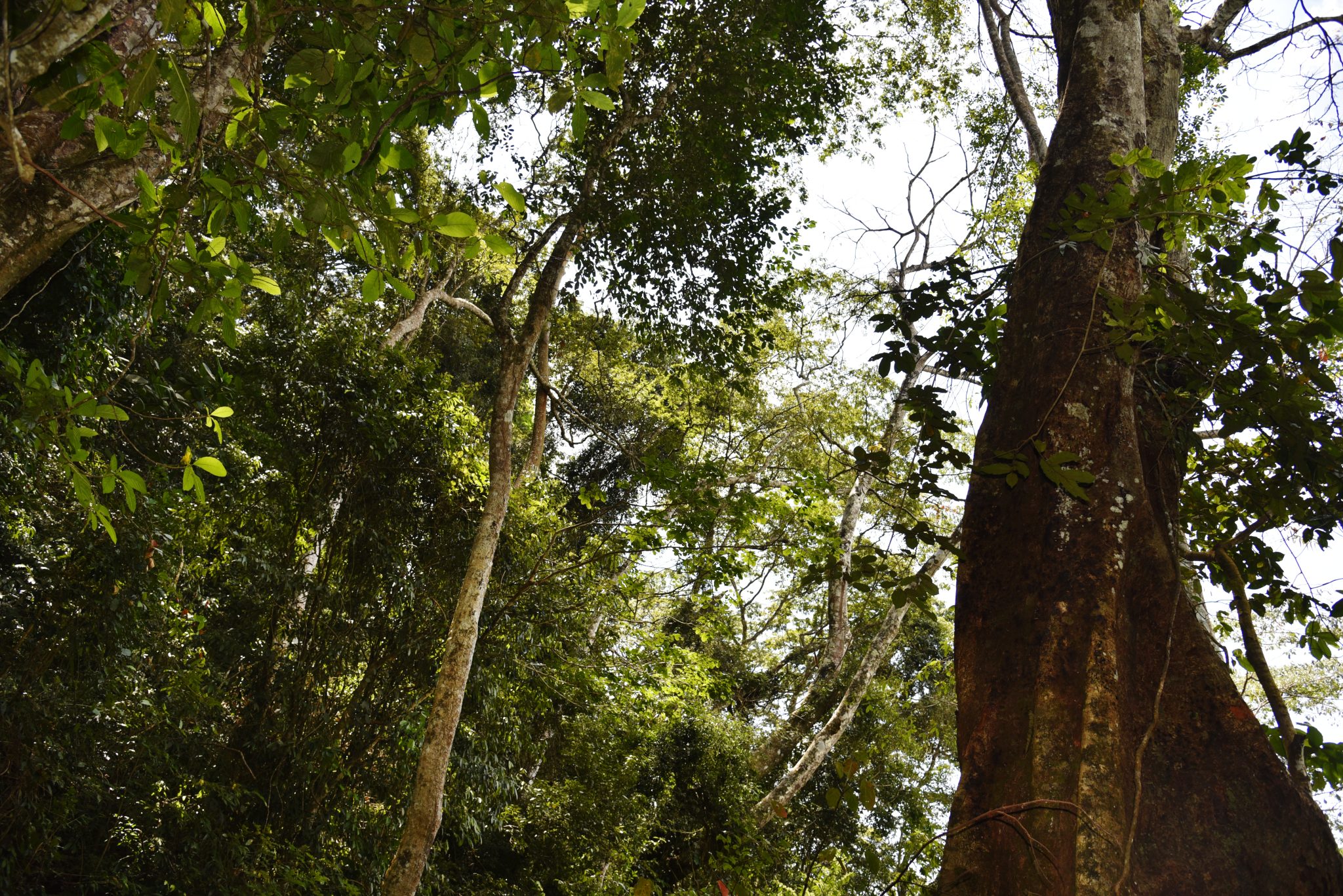
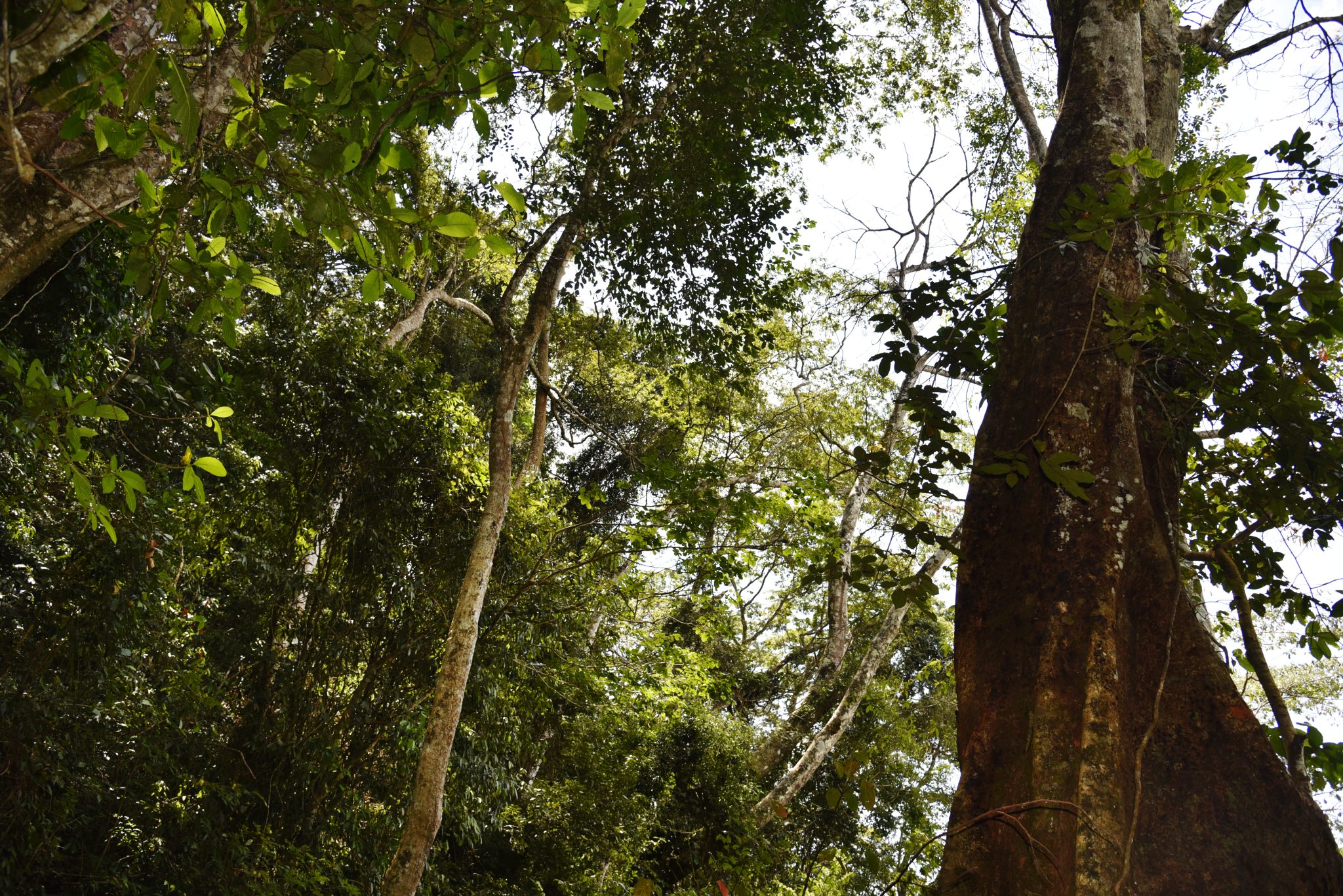
The Udzungwa Mountains are part of the oldest mountain range in East Africa, the Eastern Arc of Kenya and Tanzania.
With 1,673 km² of forest, the Udzungwa Mountains are one of the most important areas in the world for biological diversity, home to more than 2,500 species of plants, 400 species of birds, and 120 species of mammals, as well as thousands of invertebrates still unknown to science.
The Udzungwa Mountains are not only Tanzania’s most important biodiversity hotspot, but are also vitally important to more than a quarter of a million people, whose well-being and livelihoods depend on the water and climate regulation provided by the forests.
The Udzungwa Landscape Strategy (ULS) aims to identify priority geographical areas and develop interventions and activities with the active involvement of key stakeholders, including protected areas and local communities.
The main objectives? To ensure the long-term protection of the area’s extraordinary biodiversity, preserve and restore ecosystem services, and, as a result, improve the well-being of the communities that depend on them.
Actions focus on the three largest and most biodiverse protected areas: Udzungwa Mountains National Park (UMNP; 1,990 km²), Kilombero Forest Reserve (KNFR; 1,345 m²) and Udzungwa Scarp Forest Reserve (USNFR; 328 km²).
The strategy provides for and promotes balanced support for communities and protected areas, in line with the expressed needs and priorities of community members and protected area staff.
To this end, a consultation process was conducted in 23 representative villages to gather information on the benefits and challenges of living in the Udzungwa Mountains. Community members identified priority social and conservation interventions they would like to see implemented as part of the strategy, including the installation of energy-efficient stoves, village savings and loan associations, and animal and fish farming.
A similar process, conducted during the strategy development phase, identified natural resource conservation activities as a key priority for protected area staff.
Four strategic objectives for the conservation of the Udzungwa Mountains landscape were developed as part of the strategy:
1. Improving the quality and effectiveness of protected areas
2. Improve the well-being and livelihoods of communities in order to strengthen forest management
3. Strengthen relationships between communities and protected areas, as well as collaborations between other landscape stakeholders, ensuring strong governance of the ULS
4. Develop a comprehensive monitoring, evaluation, and learning process to systematically improve the strategy
MUSE’s commitment will be realized above all through the completion of the fourth area of action, through monitoring activities in the area of the MUSE territorial headquarters and the sharing of scientific research results.

The strategy offers: