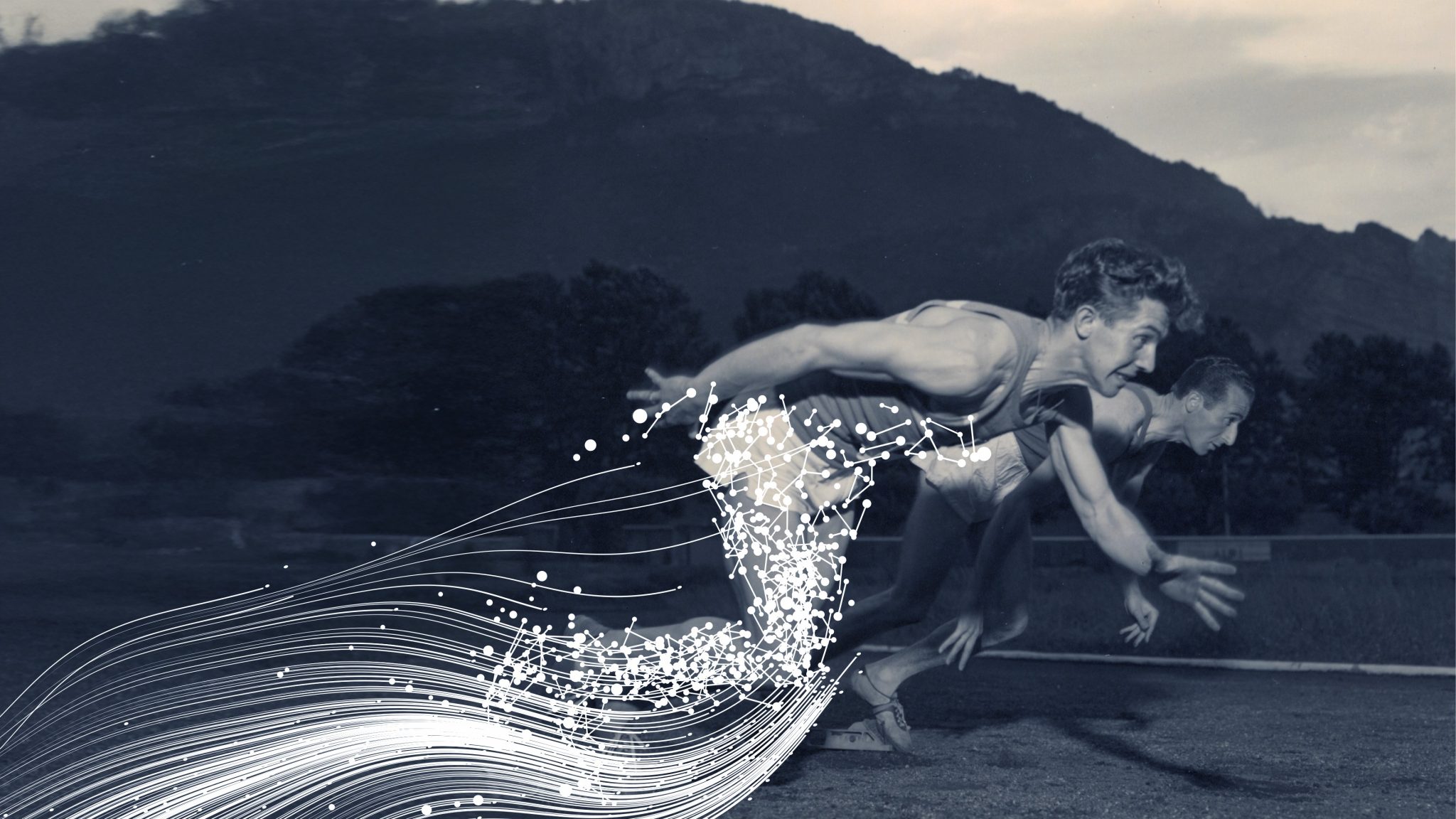
This exhibition focuses on movement, athletic gestures, strong emotions and ‘impossible’ feats, which are the perfect ingredients for photographers searching for that breathtaking shot. The result is a journey through the history of photography in Trentino, exploring the relationship between sport, technology, society and the environment, and how this is represented culturally.
Accompanying the exhibition is video mapping displayed on the MUSE skyline: a visual narrative traversing Trentino’s landscapes and sporting history, from its 19th-century origins to modern Olympic and Paralympic sports. It is a journey through places, gestures and bodies, that displays skill, strength, speed and endurance, celebrating the evolution of sport as an inclusive experience and a symbol of technological progress and social value. Sport is about well-being, community and the future, not just about goals.
This photo and video mapping exhibition anticipates the exhibition ‘Beyond the finish line. The science behind sport’, which takes place at MUSE from 1 February to 27 September 2026.
This exhibition forms part of the Combinazioni_caratteri sportivi project, which was conceived and is being promoted by the Department of Culture of the Autonomous Province of Trento. It is also part of the Milano Cortina 2026 Cultural Olympiad.
The exhibition
In the exhibition Ready for the shot, the Archivio fotografico storico provinciale (Provincial Historical Photographic Archive), in collaboration with MUSE – Treto Science Museum and Fondazione Museo storico del Trentino (Trentino History Museum Foundation), explores the evolution of sports photography as an art form in Trentino during the 19th century, in line with contemporary international trends.
The first section of the exhibition, curated by Katia Malatesta and Luca Nicolodi, explores the parallel rise of modern sport and the emergence of photography as a new and indispensable means of image production from the mid-19th century onwards.
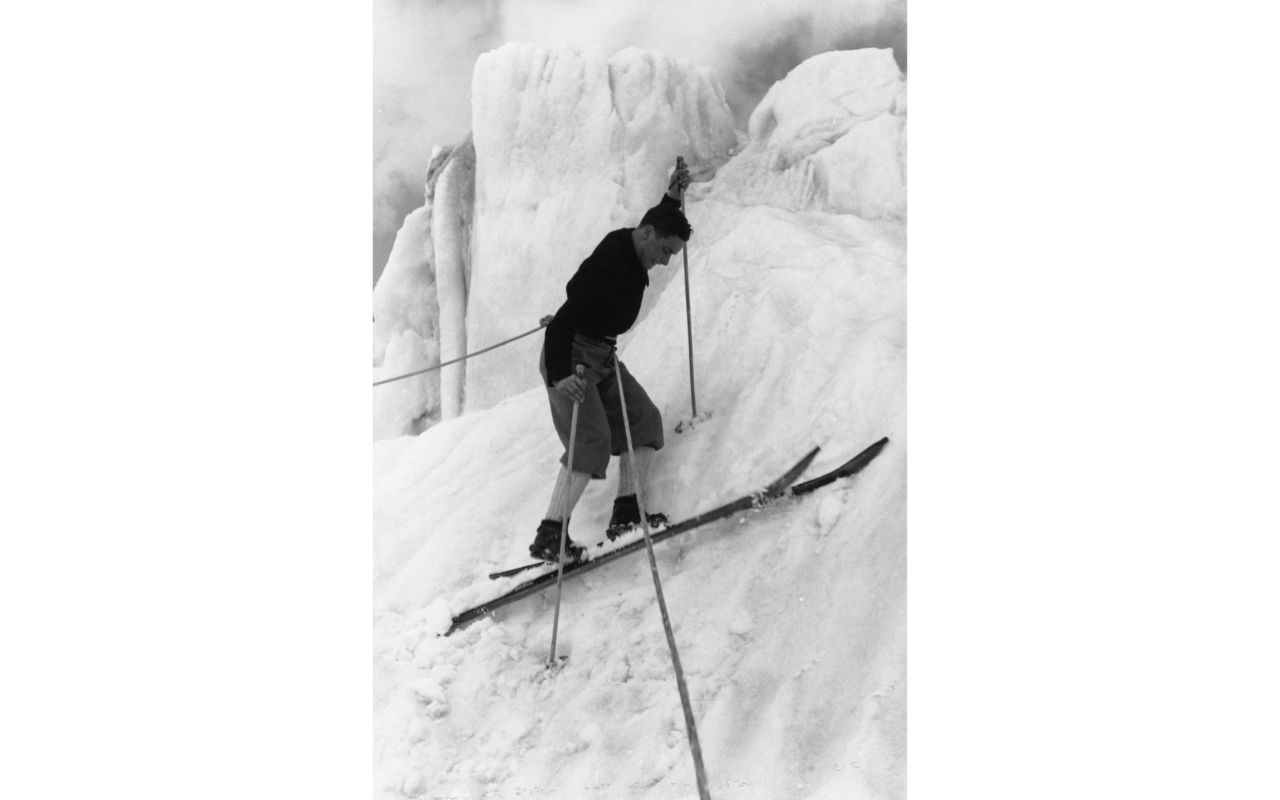
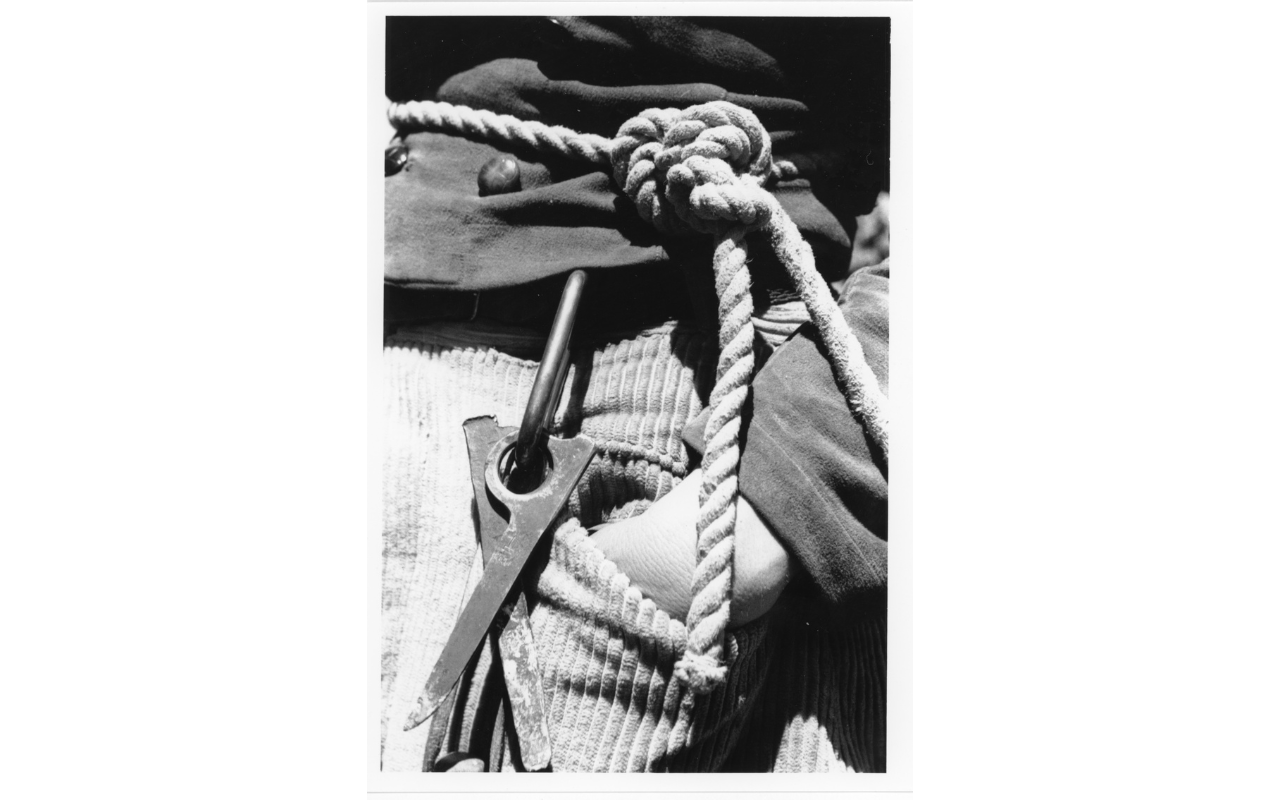
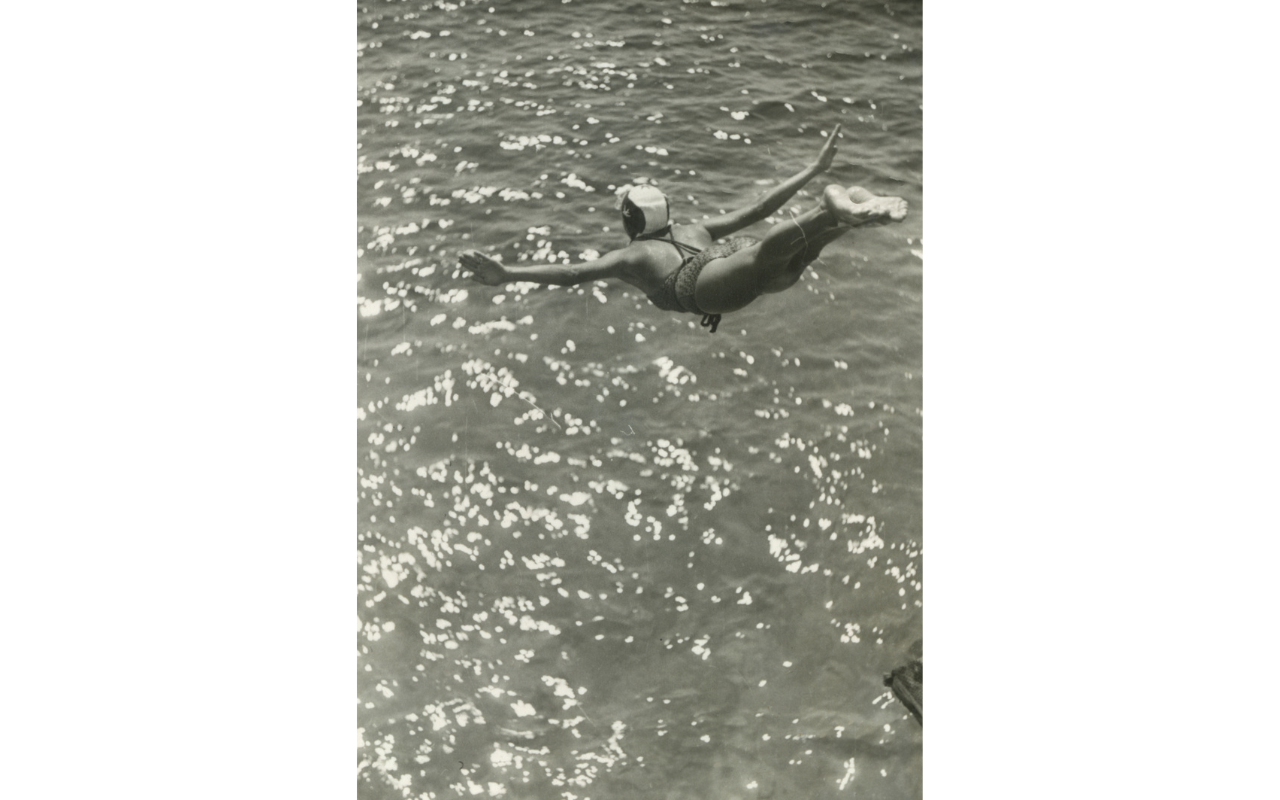
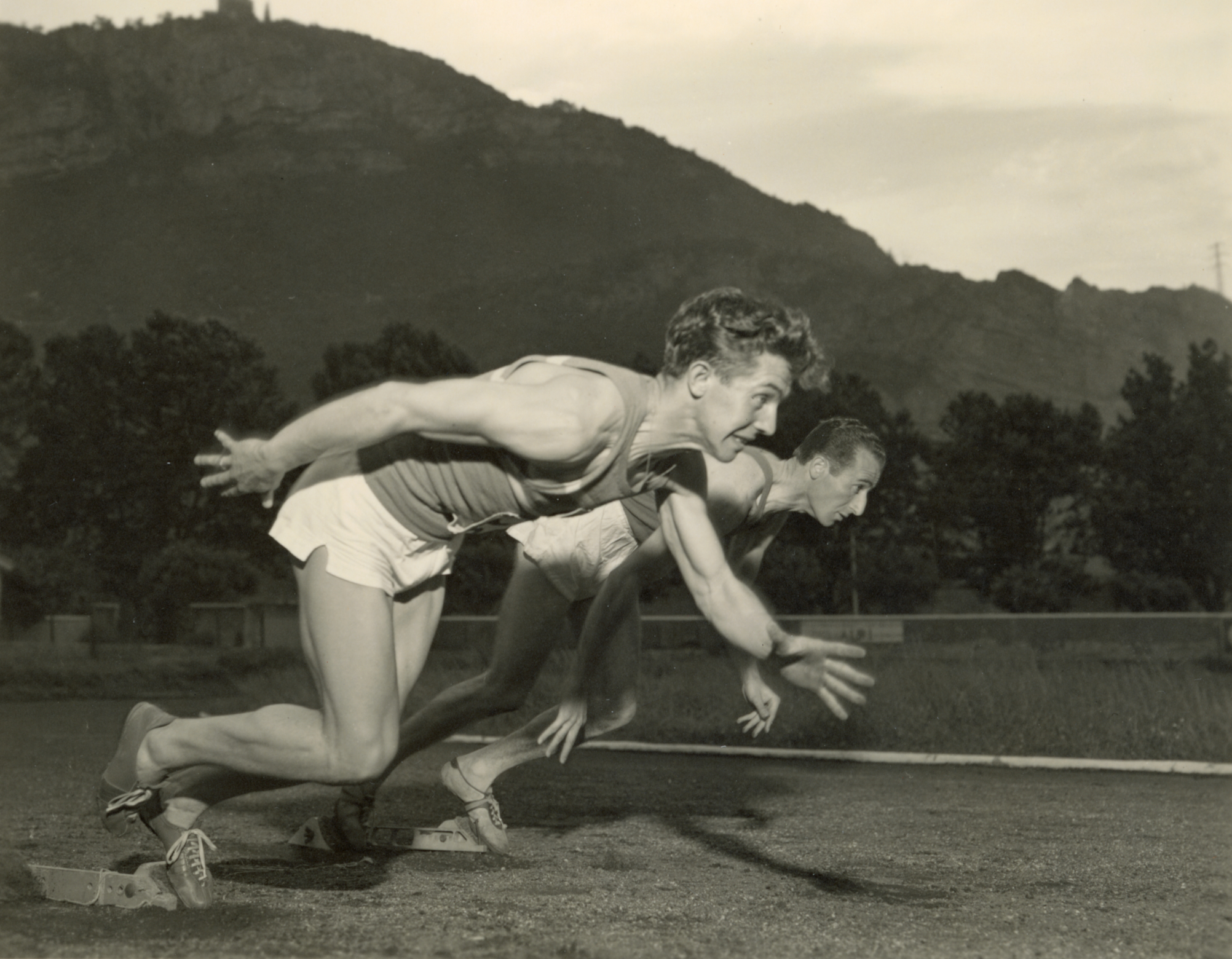
The second section explores the flourishing of new figurative languages, made possible by technical experimentation. This allowed photography to capture fast movements and freeze moments of extreme muscular tension during a shot, a jump, or a dive into the void. In Trentino, the Pedrotti brothers were leading interpreters of this concept, playing a key role in photographing Alpine choirs and mountaineering expeditions, as well as producing mountain cinema. From the 1930s onwards, their photo reports vividly capture an era while bearing the modernist imprint of research. Thanks to their unusual and daring cuts, angles, magnifications and close-ups, viewers are transported to the heart of the action.
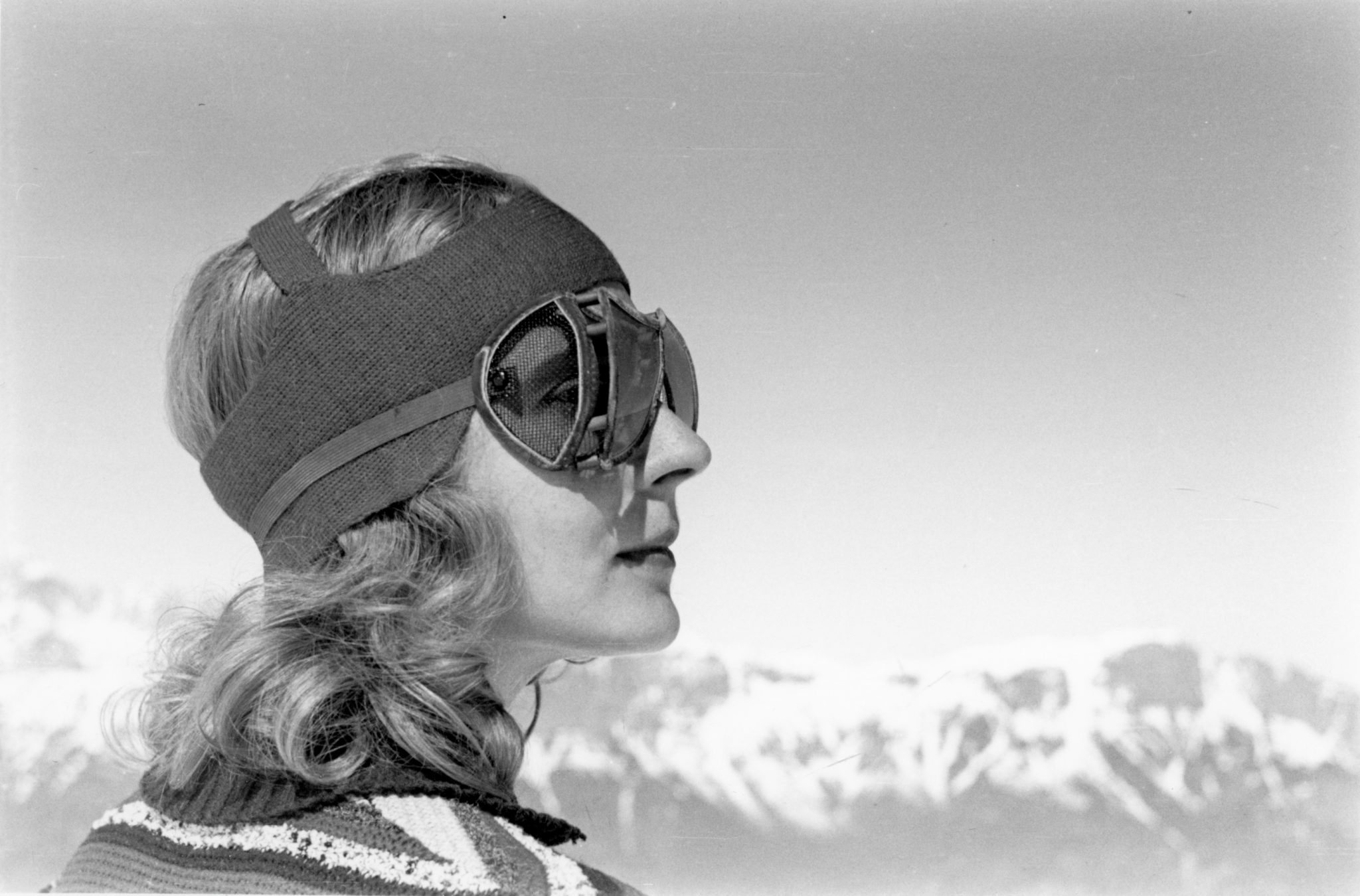
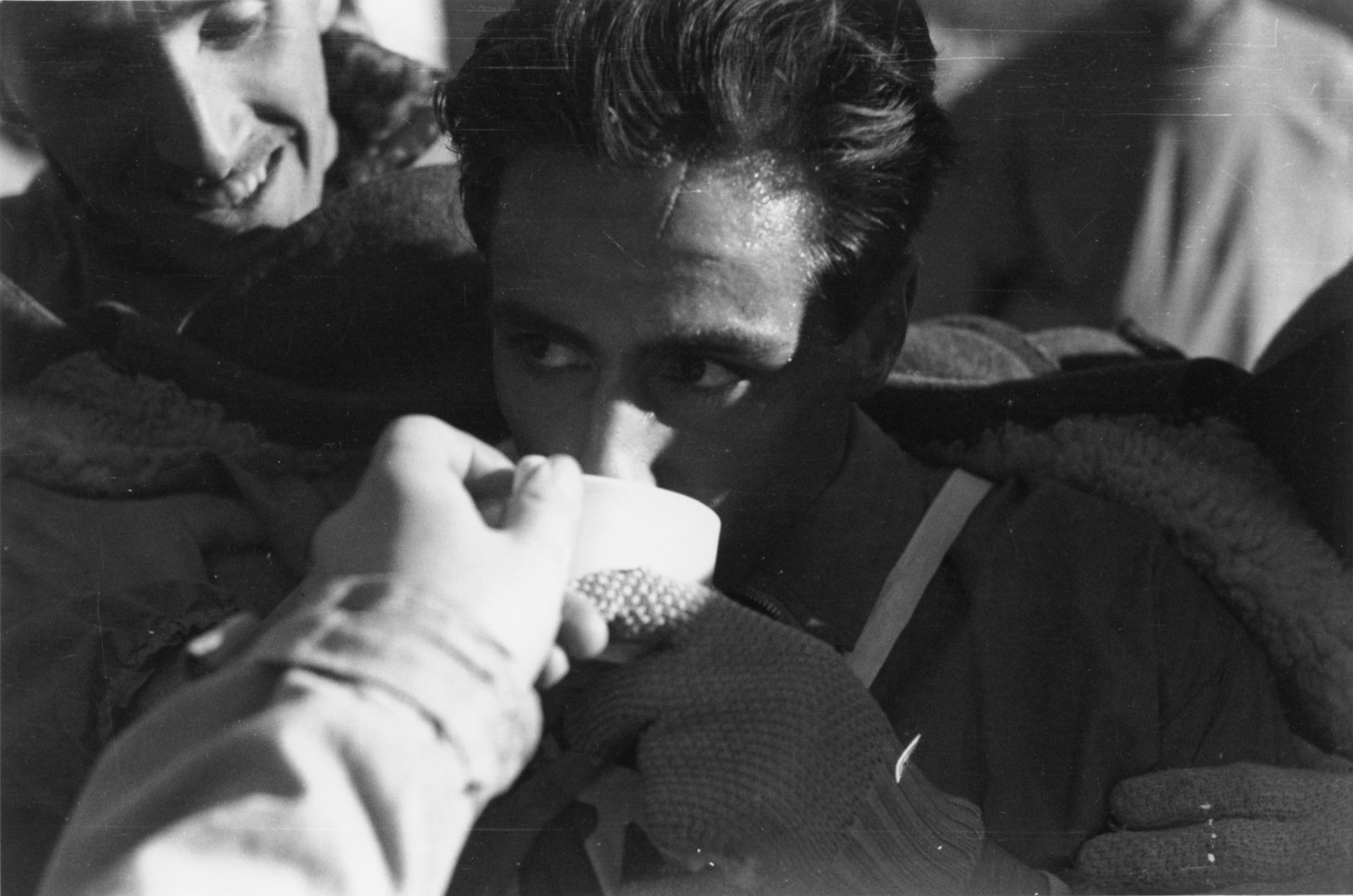
The third section shifts the focus to the presence of women and the close links between sport, the evolution of specialised clothing, fashion, and tourism, as reflected in magazines and photographic books. The fourth section focuses on the competition itself, examining it as both the culmination of dramatic tension and the privileged focal point, extending from the athletes to the public, judges, competition assistants and media operators who have come to cover the event.
Finally, the fifth section addresses the theme of designated venues, equipment, and sports technologies, providing a comprehensive overview of a significant chapter in the visual culture of sport that continues to influence contemporary achievements.